
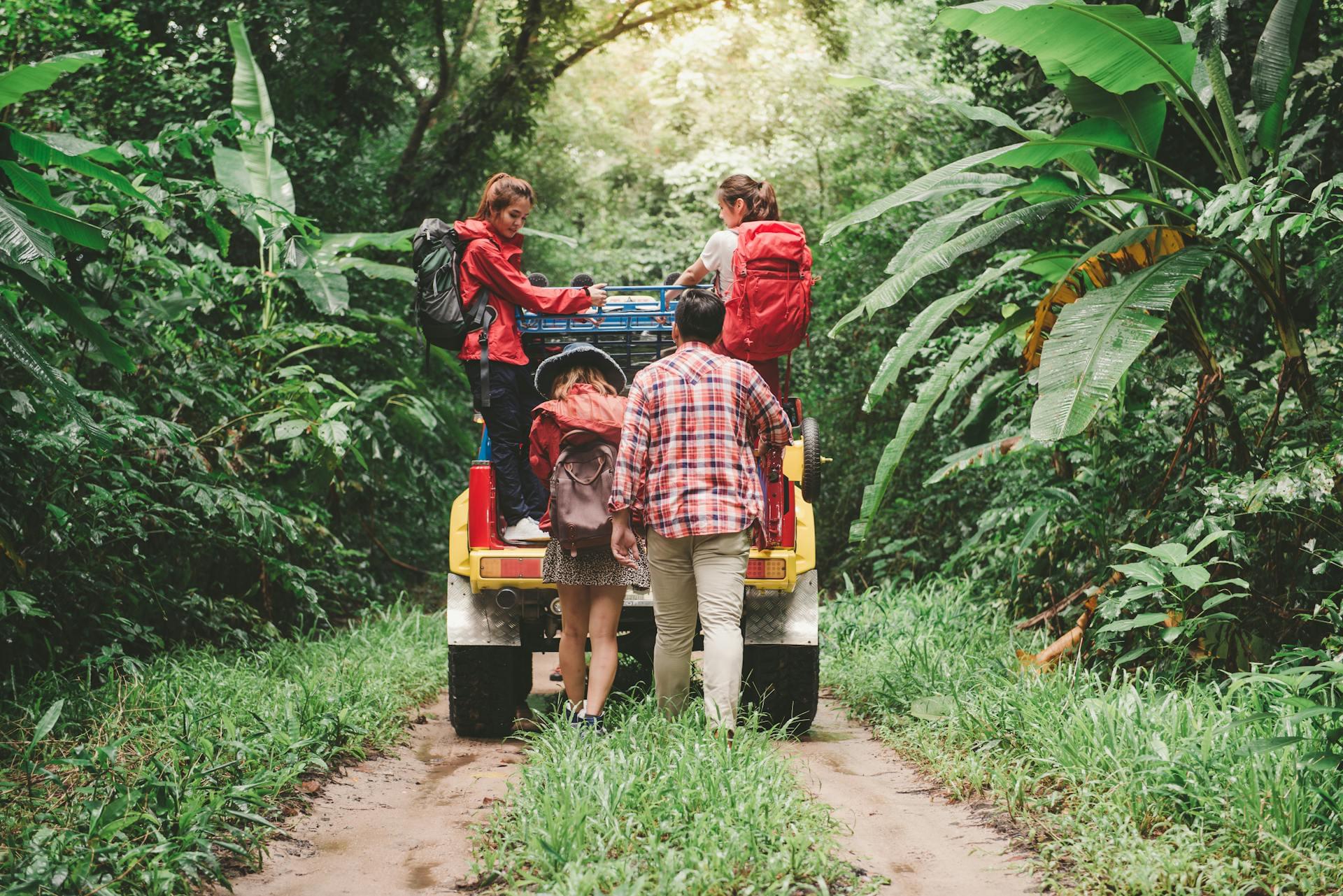

There’s something deeply humbling about hearing a lion’s roar echo through the African plains or spotting a tiger’s silhouette in the Indian jungle at dawn. Wildlife adventure travel isn’t just another vacation — it’s a journey into raw, untouched nature, where you witness animals in their natural habitat and reconnect with the wild side of the world.
In this article, we’ll guide you through everything you need to know to make your wildlife adventure safe, exciting, and truly unforgettable. Whether you’re planning a safari, a jungle trek, or a remote expedition, this guide will help you get the most out of the experience — both as a traveler and as a storyteller.
What Is Wildlife Adventure Travel?
Wildlife adventure travel is a form of exploration focused on observing wild animals in their natural environments. It goes far beyond visiting zoos or watching documentaries. Instead, it’s about stepping into the wilderness—into rainforests, savannahs, mountains, and deserts—to see life unfolding in its purest, most unpredictable form.
You might track gorillas through the jungles of Rwanda, kayak alongside dolphins in New Zealand, or photograph leopards in Sri Lanka’s Yala National Park. Each trip is a unique blend of adrenaline, education, and awe.
Top Wildlife Adventure Destinations Around the World
The world is full of incredible ecosystems teeming with wildlife. Here are some of the most popular (and wild) places to add to your bucket list:
- Masai Mara, Kenya – Known for the Great Migration and the “Big Five” (lion, leopard, elephant, buffalo, rhino).
- Ranthambore, India – A historic hunting ground turned tiger conservation hub.
- Amazon Rainforest, South America – Home to jaguars, macaws, caimans, and some of the world’s most diverse flora and fauna.
- Borneo, Malaysia/Indonesia – Famous for orangutans, pygmy elephants, and rare hornbills.
- Yellowstone National Park, USA – One of the best places to see bison, wolves, bears, and geysers all in one trip.
- Galápagos Islands, Ecuador – An evolutionary marvel with animals you won’t find anywhere else.
What to Pack for a Wildlife Adventure
Packing smart is crucial for comfort, safety, and making the most of your experience. Here’s your essential wildlife adventure packing list:
Clothing
- Neutral-colored, breathable clothing (greens, browns)
- Long sleeves and pants (for sun and insect protection)
- Waterproof jacket or poncho
- Comfortable, sturdy hiking boots
- Wide-brimmed hat and UV-protection sunglasses
Gear
- High-quality binoculars
- DSLR or mirrorless camera with zoom lens
- Headlamp or flashlight (with extra batteries)
- Dry bag for electronics and documents
- Power bank for charging on the go
Personal Essentials
- Eco-friendly insect repellent
- High-SPF sunscreen
- First-aid kit (include anti-diarrheal and antihistamines)
- Reusable water bottle with filtration system
- Travel insurance that includes adventure and medical evacuation
How to Choose the Right Wildlife Experience
Your choice should reflect your interests, activity level, and comfort with roughing it. Ask yourself:
- Do you want a guided safari or a self-planned trek?
- Do you prefer luxury lodges or camping under the stars?
- Are you okay with remote locations and minimal infrastructure?
Example: If you’re a first-timer, an organized safari in South Africa may be ideal. If you’re an experienced trekker, consider gorilla tracking in Uganda or a remote Amazon expedition.
When Is the Best Time to Go?
Wildlife movements are often seasonal. Timing your trip right can mean the difference between a rare sighting and a no-show.
- East Africa (Great Migration) – July to October
- India (Tiger Safaris) – March to June (dry season improves visibility)
- Polar Bears in Canada – October to November
- Birding in Costa Rica – December to April
- Orangutans in Borneo – May to September
Research migration patterns and climate conditions before booking your trip.
How to Enjoy the Experience (Without Being Glued to a Camera)
It’s tempting to document every moment, especially if you’re a blogger or vlogger—but don’t let content creation distract you from living in the moment.
Tips to Balance Travel and Content Creation
- Schedule content time: film or shoot during golden hours, and spend mid-day hours relaxing or exploring.
- Carry a journal or voice recorder to note thoughts without stopping the flow of your day.
- Enjoy digital detox periods — wildlife is best appreciated without screen filters.
Remember: The best travel stories come from experiences, not just photos.
Make Your Wildlife Blog or Video Stand Out
If you’re creating content from your adventure, make sure it tells a meaningful story and adds value to your audience.
What to Include in Your Blog or Vlog:
- Your personal journey and emotional reactions
- Interesting facts about the animals and ecosystem
- Conservation messages or challenges faced by local communities
- Interviews with guides, park rangers, or researchers
- Safety tips and local travel advice
Ethical Wildlife Travel: Respecting Nature First
Wildlife travel must be done responsibly. Choose operators that prioritize conservation and community involvement.
What to Look For in a Responsible Tour Company
- Certified eco-tourism credentials (such as Travelife or Rainforest Alliance)
- Transparent animal interaction policies
- Support for local conservation programs
- Limits on group size to reduce environmental impact
Avoid any experiences involving:
- Chained or captive animals
- Petting or feeding wild animals
- Wildlife shows or staged performances
Safety Tips for Wildlife Adventures
When you enter the wild, you’re a guest in the animals’ home. Respect is key.
- Never approach or provoke wildlife.
- Stay inside designated paths or vehicles.
- Listen to your guide at all times.
- Keep noise levels low and avoid sudden movements.
- Carry emergency supplies (especially in remote areas).
Pro Tip: Always inform someone of your travel plans if you’re heading into remote regions.
After the Adventure: Share and Inspire
Once you return, your story doesn’t end. It begins a new chapter—one that can educate, inspire, and raise awareness.
- Share your photos and footage with thoughtful captions.
- Write blogs or create videos focused on both the experience and the ecosystem.
- Encourage your audience to support conservation initiatives.
- Stay connected with the guides and communities you met.
Final Thoughts
A wildlife adventure isn’t just about ticking off sightings—it’s about feeling alive, seeing nature in its raw beauty, and gaining a deeper respect for the world we live in. Whether it’s your first safari or your tenth expedition, each experience adds a new layer of wonder.
So pack light, tread gently, stay curious, and let the wild show you what it means to truly explore.