
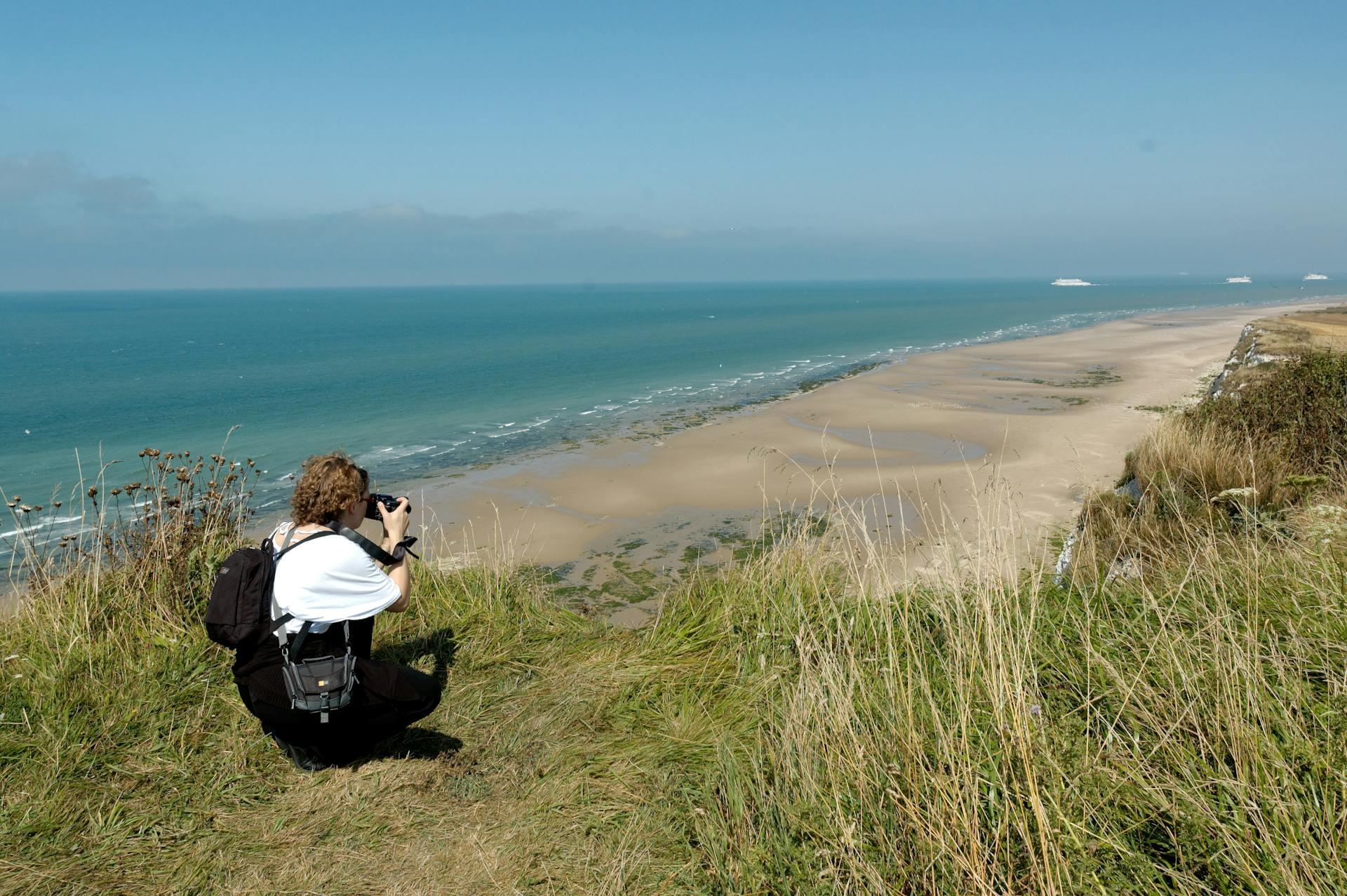

Travel blogging has evolved from simple diary-style entries into a dynamic blend of storytelling, photography, videography, and practical information. In a world flooded with travel content, standing out requires more than just snapping a few scenic pictures or listing places to visit. The key to creating a happening travel blog lies in finding the perfect balance between delivering value-packed content and truly immersing yourself in the journey.
Whether you’re a seasoned blogger or just starting out, this guide will help you elevate your travel blog—whether written, visual, or both—and ensure that each adventure you document is engaging, informative, and enjoyable.
1. Plan, But Leave Room for Spontaneity
Proper planning helps you stay organized and efficient, especially when you’re producing content on the go. However, some of the best travel stories come from unplanned detours and surprises.
- Research the Destination: Understand local customs, major attractions, cultural nuances, and seasonal activities.
- Identify Content Angles: Are you focusing on food? Hidden gems? Adventure? Budget travel? Decide your angle in advance.
- Leave Flex Time: Build gaps in your schedule to explore without a rigid plan. Often, the best footage and stories come from unstructured moments.
Tip: Use a simple content calendar or travel itinerary planner to align your personal enjoyment with your blogging goals.
2. Create a Story, Not Just a List
A happening travel blog captivates readers and viewers by telling a compelling story. Don’t just share where you went—share what you felt, experienced, and learned.
- Start with a Hook: What unique moment or unexpected event defined your trip? Begin your blog or video with that.
- Be Honest and Relatable: Talk about travel hiccups, culture shock, or unexpected joys. Authenticity builds trust.
- Weave in Local Voices: Include short interviews, conversations, or cultural insights you gained from locals.
Example: Instead of saying “I visited a local market,” write about the aroma of spices, the chatter of vendors, or the old woman who offered you a homemade snack and her life story.
3. Make It Visually Appealing
Travel is a sensory experience, and your audience wants to see and feel what you did. Whether through blogs or videos, visual storytelling is your most powerful tool.
- Photography Tips:
- Use natural light whenever possible.
- Capture a mix of wide shots, mid-range shots, and close-ups.
- Focus on storytelling: think of your photo series as a visual narrative.
- Videography Tips:
- Keep clips short and focused; long, uncut videos can lose viewers.
- Add ambient sounds (waves, chatter, music) to create an immersive feel.
- Use transitions, captions, and background music to maintain flow and professionalism.
Editing Tools:
- For Photos: Lightroom, Snapseed, VSCO
- For Videos: Adobe Premiere Rush, Final Cut Pro, CapCut, InShot
4. Include Practical and Actionable Information
Great travel blogs and videos are not just entertaining—they’re useful. Help your readers plan their own adventures by including helpful details.
- What to Include:
- How to get there
- Entry fees and opening hours
- Best time to visit
- Hidden costs or local tips
- Accommodation and food suggestions
- Safety tips or cultural do’s and don’ts
- Add Value:
- Create downloadable checklists or maps.
- Embed Google Maps with pinned locations.
- Link to booking platforms, visa requirements, or local transport options.
Tip: Organize this information in boxes or sidebars to keep it easily scannable for readers.
5. Engage the Senses with Descriptive Language
Words matter. The way you describe a moment can make your readers feel like they’re right there with you.
- Use Sensory Details: Describe the taste of local food, the feel of cobblestone streets, or the sound of chanting monks.
- Be Specific: Replace generic phrases like “beautiful place” with vivid descriptions like “mist-laced cliffs overlooking turquoise waters.”
Example: “The curry wasn’t just spicy—it was a symphony of roasted cumin, tangy tamarind, and a surprise kick of green chili that lingered just long enough to make me sweat.”
6. Include Personal Touches and Emotions
Your audience connects with you, not just the destination. Don’t be afraid to share your reactions, emotions, and personal growth throughout your travels.
- Reflections: Talk about how a place changed your perception or taught you something new.
- Challenges: Whether it’s language barriers, travel fatigue, or culture shock, your struggles make your journey more real and relatable.
- Wins and Joys: Share your favorite moments—the food you couldn’t stop eating, the sunset that made you cry, the stranger who changed your day.
7. Balance Blogging and Living the Moment
It’s easy to get caught up in documenting everything, but don’t forget to experience your travels too. The better you live it, the better you’ll tell it.
- Limit Screen Time: Allocate specific times for capturing content so you can be fully present at other times.
- Travel First, Blog Later: Experience the place first, then write or shoot content from a place of understanding and immersion.
- Enjoy the Process: Don’t let the pressure to post daily rob you of the simple joy of being somewhere new.
Tip: Use journaling apps or quick voice notes to capture thoughts without spending too much time typing or filming during your trip.
8. Interact with Your Audience
A happening travel blog is interactive and community-driven. Your audience wants to be part of your journey, not just watch from afar.
- Ask Questions: End your blog or video with questions like “Have you been here?” or “What’s your favorite mountain hike?”
- Respond to Comments: Acknowledge feedback and build relationships.
- Incorporate Suggestions: Ask your audience where you should go next or what they want to see more of.
Engagement Boosters:
- Host travel Q&As
- Share behind-the-scenes clips on social media
- Run polls or challenges related to your travels
9. Use SEO to Get Found
If you want your blog to reach more people, it needs to be discoverable. Optimizing for search engines helps your content get seen by the right audience.
- Use Keywords: Research and include relevant keywords in your blog titles, meta descriptions, and headers (e.g., “Things to Do in Leh Ladakh,” “Best Street Food in Bangkok”).
- Add Alt Text to Images: This not only improves accessibility but also helps with search engine indexing.
- Create Internal Links: Link to your older posts or related content to keep readers exploring your blog.
- Use Catchy, Informative Titles: Instead of “My Trip to Italy,” use “A Local’s Guide to Hidden Gems in Southern Italy.”
10. Be Consistent but Flexible
Consistency helps build your brand, but flexibility allows creativity and authenticity.
- Set a Posting Schedule: Whether it’s once a week or bi-weekly, a consistent rhythm helps maintain audience interest.
- Repurpose Content: Turn blog posts into videos, create reels from longer vlogs, or compile photo essays from your trips.
- Stay Open to Change: As you grow as a traveler and creator, your content will evolve. Embrace it.
Final Thoughts
Creating a happening travel blog isn’t just about ticking off tourist spots. It’s about storytelling, offering value, and being real. By combining detailed information with authentic experiences—and making time to actually enjoy the journey—you can create content that resonates deeply and keeps readers and viewers coming back for more.
Remember: the more you live your travels, the more compelling your blogs and videos will be. So pack your camera, take your notes, soak in the moment—and let your audience feel the adventure through your words and visuals.